Anyone who has lived through a Fort Bend County summer knows the air itself has weight to it. That humidity does more than fog up your glasses walking from the car to the front door - it works on your floors year-round, and some materials handle it far better than others. Here's an honest look at what holds up.
Why Humidity Is a Bigger Deal Here Than Most Places
Wood - real or engineered - is hygroscopic, meaning it absorbs and releases moisture from the surrounding air. In a dry climate that's a minor seasonal wobble. Along the Gulf Coast, where relative humidity regularly sits above 70% for months at a stretch, that wobble is bigger, and it happens on top of homes that are overwhelmingly built on concrete slabs rather than raised wood subfloors. Both facts push our flooring recommendations in a specific direction.
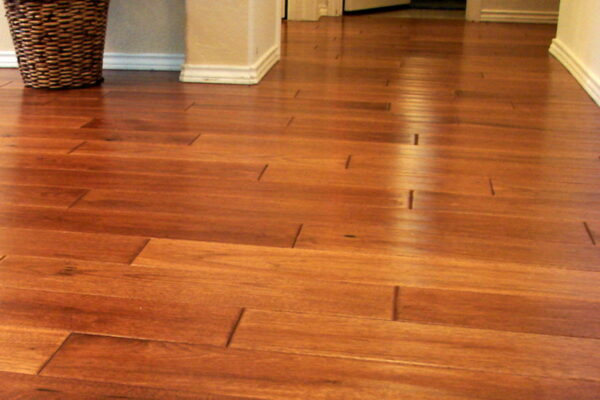
Solid Hardwood: Beautiful, But Needs Respect
We still install solid hardwood - it's gorgeous, and in the right home it's the right choice. But it needs a wood subfloor (not a direct-to-slab install), proper acclimation before installation, and honest expectations about seasonal movement. We see the most success with solid hardwood in the county's older pier-and-beam homes.
Engineered Hardwood: The Smarter Wood Look for Slab Homes
Engineered hardwood solves the humidity problem by design - a real wood wear layer bonded to a plywood core that resists expansion and contraction. It glues or floats directly over a concrete slab, which describes most homes built in Katy, Fulshear, and Sugar Land over the last twenty years.
Luxury Vinyl Plank: Our Most-Installed Floor for a Reason
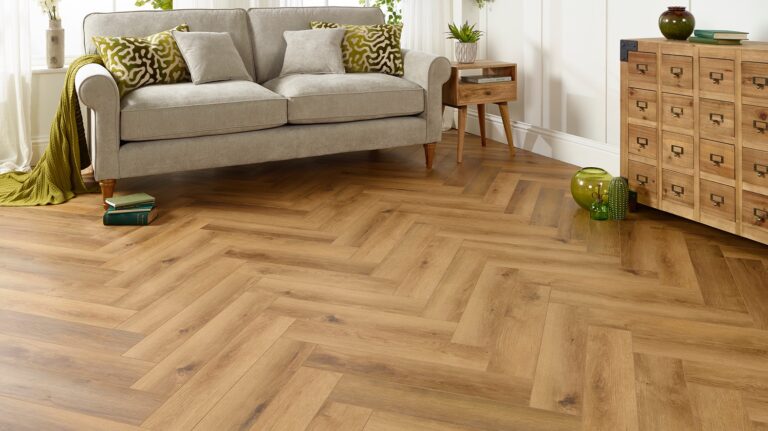
LVP is 100% waterproof and dimensionally stable regardless of humidity. It's why it's the single most common floor we install across Fort Bend County - it looks like wide-plank hardwood, floats easily over slab foundations, and simply doesn't care about a humid August.
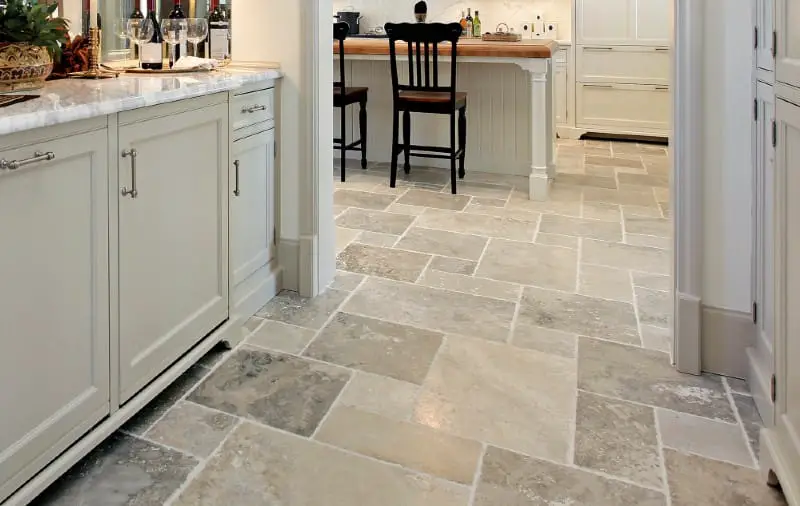
Tile: As Close to Weatherproof as Flooring Gets
Tile doesn't absorb moisture the way wood-based products can, which is why it remains the default for bathrooms, laundry rooms, and any ground-floor room with a history of dampness. It also stays cool underfoot through a Texas summer, which is a comfort bonus most homeowners don't think about until they feel it.
Carpet and Laminate: Fine, With the Right Choices
Carpet with solution-dyed fibers and a moisture-resistant pad handles our climate fine in bedrooms and living areas. Laminate works well in dry living spaces; for kitchens we steer clients toward the water-resistant lines or straight to LVP.
Not sure which floor fits your home?
Book a free in-home estimateThe Bottom Line
There's no single "best" floor for Fort Bend County - there's a best floor for each room. We walk your home, talk through how each room actually gets used, and recommend accordingly - not just push whatever has the best margin. That's the whole idea behind how we work.