If your home was built in the last two or three decades anywhere from Katy to Sienna, there's a good chance it sits on a concrete slab rather than a raised wood subfloor. That's normal for new construction across Fort Bend County - but it changes some of the flooring decisions homeowners assume are one-size-fits-all.
Why So Many Fort Bend County Homes Are Slab-Built
Concrete slab foundations are faster and cheaper to build than raised pier-and-beam construction, and they've been the standard for new Texas subdivisions for decades - which is exactly what you'll find throughout Cinco Ranch, Harvest Green, Sienna, and most newer neighborhoods across the county. Older parts of Richmond and Rosenberg still have some pier-and-beam homes with a true wood subfloor, but they're the exception now, not the rule.
What Doesn't Work Well on a Bare Slab
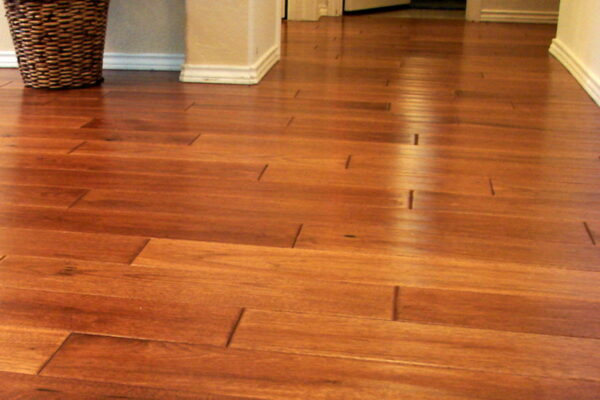
Solid hardwood is nailed down, which requires a wood subfloor. Installed directly on concrete, it has no way to be properly fastened and no cushion against the slab's minor movement - a recipe for squeaks, gaps, and warranty headaches. If you love the look of solid wood but your home is slab-built, engineered hardwood gets you the same appearance with a construction method built for exactly this situation.
What Installs Beautifully Over a Slab
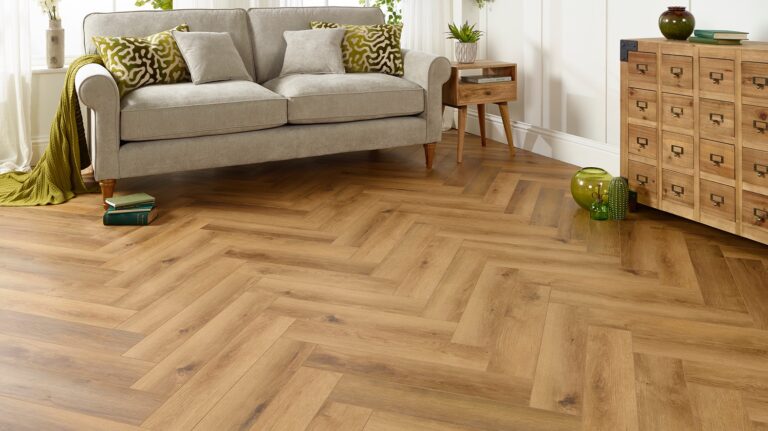
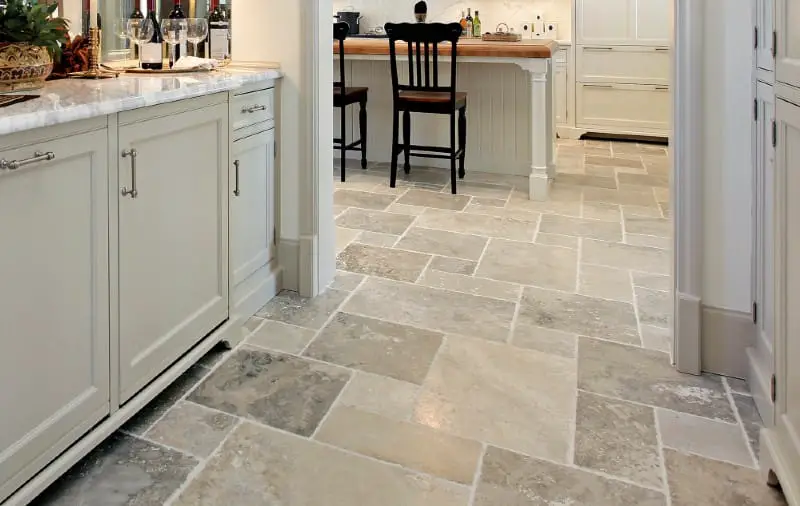
Engineered hardwood glues or floats over concrete without the movement problems solid wood would have. Luxury vinyl plank floats over a vapor-barrier underlayment and is arguably the easiest, most forgiving floor for a slab home. Tile bonds directly to a properly prepped and leveled slab - it's actually the most traditional slab flooring there is. Laminate floats similarly to LVP, with a moisture barrier underneath.
Why Slab Prep Matters More Here Than You'd Think
Fort Bend County sits on expansive clay soil that swells and shrinks with moisture more than the national average, which can create minor slab movement over the years - a hairline crack here, a slightly uneven spot there. Before any install, we check the slab for flatness and moisture, and on tile jobs in particular we'll often recommend an uncoupling membrane so any tiny slab movement doesn't telegraph up into your new grout lines. It's a small added step that prevents a much bigger headache down the road.
Moisture Testing: The Step We Never Skip
Concrete slabs release moisture vapor, sometimes more than you'd expect even years after the pour. Before installing anything glued or floated over a slab, we test moisture levels and use the appropriate vapor barrier or moisture mitigation system if needed. Skipping this step is one of the most common reasons a DIY or discount install fails within a couple of years.
Want to know what's right for your home's foundation?
Book your free in-home estimateThe Footsteps Flooring Approach
Every estimate starts with a real look at your subfloor, not a generic recommendation. We measure, test, and quote based on your home specifically - because a floor that's right for a pier-and-beam house in Historic Downtown Richmond isn't always right for a new slab build in Harvest Green, and vice versa.